Grey County Update: Butterfly Corridors of Emancipation
Through you, Honourable Warden Matrosovs,
With Queen Anne’s lace now blooming along many county roads, the Emancipation Festival fresh in memory, and fall agricultural fairs approaching, this is a timely moment to share an idea taking shape in Owen Sound—one that blends biodiversity, skills-building, and civic renewal.
Concept, in brief
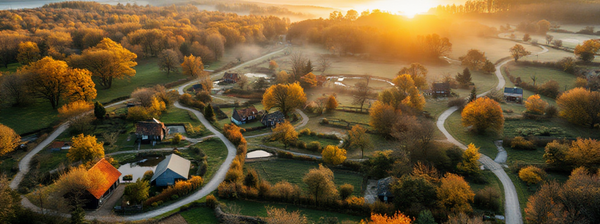
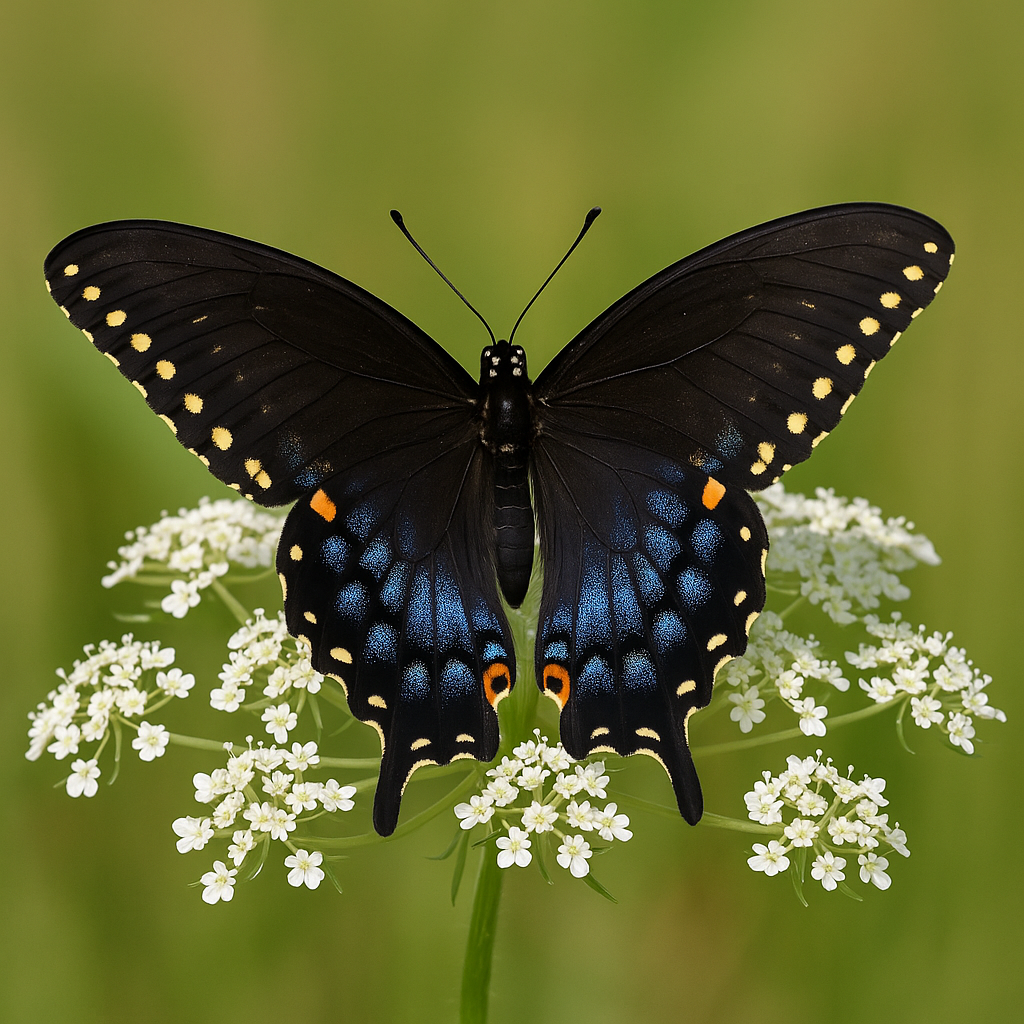
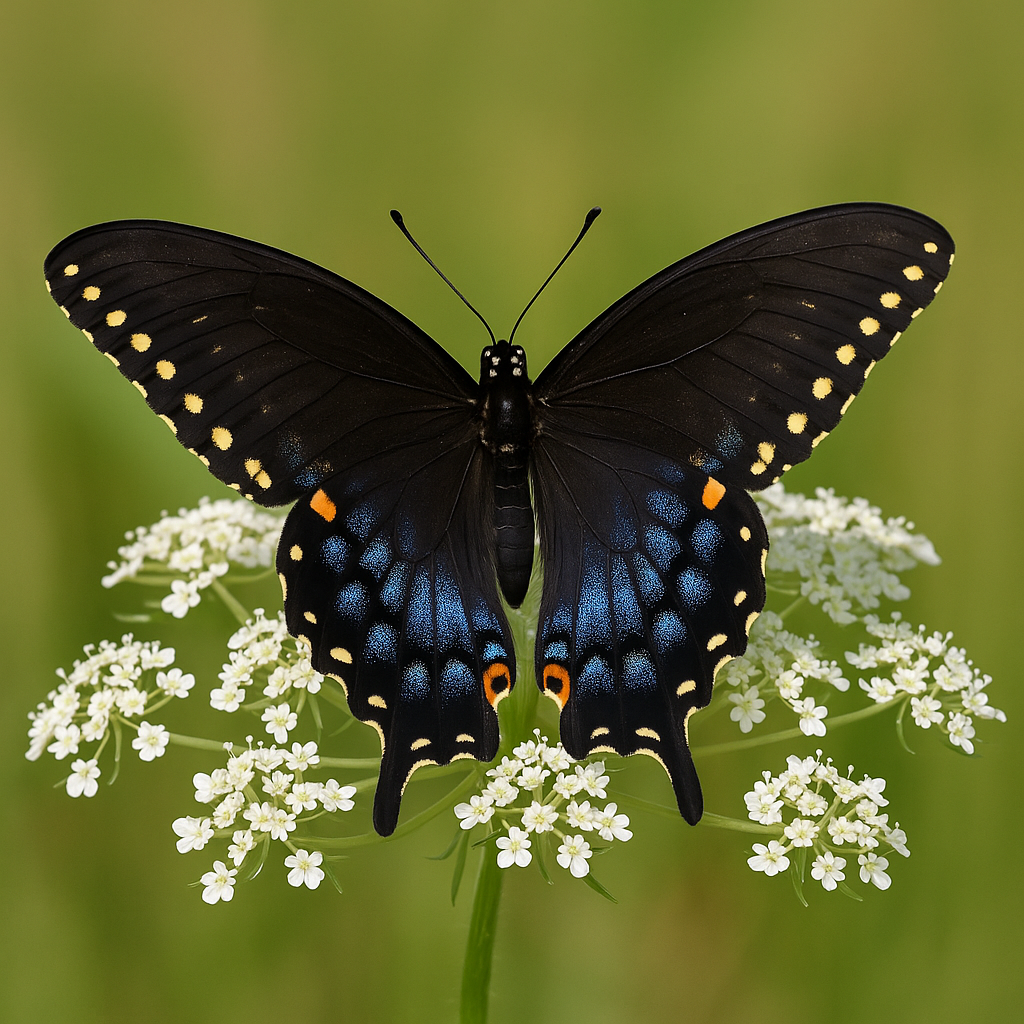
- Black Swallowtail Freedom Corridor: A linked network of small “stations” planted with host species (e.g., golden alexanders, fennel, rattlesnake master, Queen Anne’s lace). Volunteers act as Station Keepers (tend sites), Conductors (rear/monitor butterflies), and Messengers (log and share sightings). It’s a hopeful, hands-on nod to our Underground Railroad legacy.
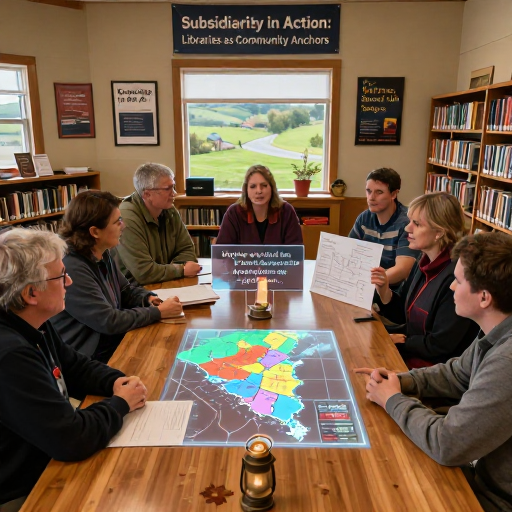
- Local Help (subsidiarity): Street- and village-level collaboration to learn food-growing and practical skills—building the social infrastructure that helps households meet basic needs locally. Over time, “butterfly runways” in town could link to rural corridors, supporting pathways for land access (the human right to land) and small homesteads.
Why this matters
- Tangible biodiversity gains and public joy.
- Low-cost skills education for youth, newcomers, and seniors.
- A constructive way to talk about land access, resilience, and community health—without waiting for large top-down programs.
Ways County councillors can plug in (pick any, locally or county-wide)
- Identify candidate segments (roadsides, parks, trails) that could host pilot “stations” and note seasonal mowing windows that protect host plants.
- Invite local partners (schools, conservation groups, makerspace, garden clubs) to steward small patches and co-host walk-and-learn days.
- Nominate a liaison (staff or volunteer) to coordinate site lists, signage, and simple data collection (sightings, survival).
- Share the idea in your ward/township—others can run with it immediately, using native seed and simple signage.
- Join an info call or brief huddle when convenient to compare notes across municipalities (purely optional).
Policy conversations worth starting now (compatibility, not commitments)
- Pollinator-friendly roadside management: flexible mowing schedules, small “pilot habitat” carve-outs, and pesticide minimization along signed stretches.
- Official Plan / AT integration: treat corridors as living greenways that also dovetail with active transportation routes and parks plans.
- Land-access tools (human right to land): explore voluntary land-link programs, micro-homestead pilots on suitable public or partner lands, accessory rural dwellings/tiny-home provisions, and agroforestry allowances.
- Stewardship incentives: light-touch recognition or tax relief for landowners who host corridor stations with native plant provenance.
This note is simply to place the idea on your radar and invite participation where it fits your area.
The practical steps—corridors, host plants, local help—are important, but at heart this is about something deeper: renewing our relationship with the land. Projects like this remind us that while we can speak in terms of policy, planning, and management, what truly sustains people is the lived experience of nature. It is the way a butterfly alights on a flower, the way a neighbour lends a hand, the way land itself teaches us to belong again.
As the Confederation put it:
“Another great teacher of consciousness is solitude in nature. Nature is a great teacher and a great opener of the heart. There is no need to sort and classify that which is experienced in nature. There is no need to speak of the characteristics and the Latinate names of a certain butterfly or a certain tree. There is the taking in of the spiritual food of the experience of earth, wind, fire and water. There is the companionship of tree and toad, rabbit and fox. And all of those companions open up and develop consciousness.” — 2008/12/27
May you be blessed,