For years, Americans without healthcare have been able to reassure themselves that although they may be denied life-saving cancer treatment, at least their country had fighter jets and aircraft carriers that could reduce cities to rubble.
I mean, no stealth aircraft is truly invisible, or the pilots and maintenance men wouldn’t be able to see them either. These days, machine vision has improved to the point that if a human can see them, a properly-trained computer likely can too. Set up a network of drones with cameras, and anything less than perfect optical camouflage is going to be of limited value. Radar isn’t the only thing you have to worry about anymore.
I think most people know Stealth to mean invisible to Radar, not to the human eye.
The F35 is obviously going to be seeable once you have human eyes on it. The idea is targeting systems and long range equipment would not pick it up. But Iran has proved that to be false it seems.
No, the engineers knew it would be visible like anything else, because they’re not completely stupid. A lot of stuff still relies on radar, though, and other frequencies and tools can have limitations, like in range or “does-it-work-in-rain”. Consider how many F-35s made it over Iran safe and sound.
Presumably they’re as sneaky as possible in other ways as well, although at some point it’s still a jet plane.
Yeah, sorry, that’s wasn’t very clear. I think I was in too many parallel discussions about this at once.
What I mean is just that the designers absolutely did know other sensors could and would be used for targeting. It’s jut a question of how much that lowers survivability, exactly. The amount of traffic over Iran indicates it’s still good, because radar is still the main game in town.
This is known as “optronics” in military applications, FWIW. I don’t know if anyone is using it for target discovery yet, but optronic guidance to a known target is a thing.
Radar is nice in that it and works under all kinds of conditions (like through clouds) and can have very long range, but there definitely are other sensors that are making their way onto the battlefield. Passive audio sensors have been a huge success in Ukraine, for example. Sending out a radar pulse also draws all the wrong kind of attention.
6th gen fighters probably won’t bother with anything except hiding at this rate, and the battlefield might be so transparent by then nobody will make a 7th. The “blue skies” will just be where various unmanned projectiles pass through.


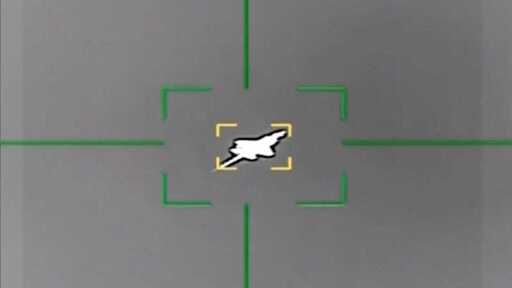
I mean, no stealth aircraft is truly invisible, or the pilots and maintenance men wouldn’t be able to see them either. These days, machine vision has improved to the point that if a human can see them, a properly-trained computer likely can too. Set up a network of drones with cameras, and anything less than perfect optical camouflage is going to be of limited value. Radar isn’t the only thing you have to worry about anymore.
I think most people know Stealth to mean invisible to Radar, not to the human eye. The F35 is obviously going to be seeable once you have human eyes on it. The idea is targeting systems and long range equipment would not pick it up. But Iran has proved that to be false it seems.
No, the engineers knew it would be visible like anything else, because they’re not completely stupid. A lot of stuff still relies on radar, though, and other frequencies and tools can have limitations, like in range or “does-it-work-in-rain”. Consider how many F-35s made it over Iran safe and sound.
Presumably they’re as sneaky as possible in other ways as well, although at some point it’s still a jet plane.
I think you missed the comment I replied to
Yeah, sorry, that’s wasn’t very clear. I think I was in too many parallel discussions about this at once.
What I mean is just that the designers absolutely did know other sensors could and would be used for targeting. It’s jut a question of how much that lowers survivability, exactly. The amount of traffic over Iran indicates it’s still good, because radar is still the main game in town.
Yeah, stealth is relative until we get StarTrek cloaking devices :)
This is known as “optronics” in military applications, FWIW. I don’t know if anyone is using it for target discovery yet, but optronic guidance to a known target is a thing.
Radar is nice in that it and works under all kinds of conditions (like through clouds) and can have very long range, but there definitely are other sensors that are making their way onto the battlefield. Passive audio sensors have been a huge success in Ukraine, for example. Sending out a radar pulse also draws all the wrong kind of attention.
6th gen fighters probably won’t bother with anything except hiding at this rate, and the battlefield might be so transparent by then nobody will make a 7th. The “blue skies” will just be where various unmanned projectiles pass through.