Alright you convinced me if we follow their design we can do it.
On the Trans-Siberian Railway, the electricity is not in the rail itself.
✔ How it actually works
Power comes from an overhead wire (called a catenary)
The train has a pantograph on top
The pantograph presses upward and draws electricity from the wire
The steel rails are used as the return path (ground)
Fair enough using that overhead wire system apparently can scale economically to thousands of kilometers and already has in Siberia. If we follow that model for upgrading existing Canadian rail:
Single track: about C$100 to 120 million per 100 km
Double track: about C$180 to 220 million per 100 km
Those are good hardware-heavy corridor numbers for wire, poles, substations, and power hookup on a reasonably straightforward existing alignment.


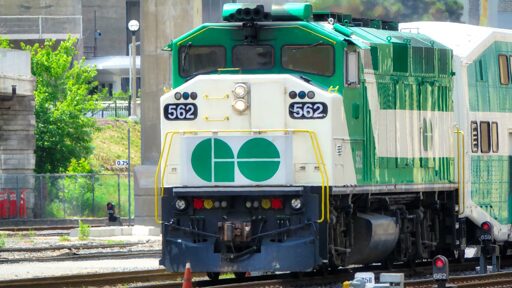
Alright you convinced me if we follow their design we can do it.
On the Trans-Siberian Railway, the electricity is not in the rail itself. ✔ How it actually works Power comes from an overhead wire (called a catenary) The train has a pantograph on top The pantograph presses upward and draws electricity from the wire The steel rails are used as the return path (ground)
You know what I mean by electrified rails of course it’s connected overhead.
Okay yeah if we do it Siberian style that is proven method so should be fine for Canada, which is much smaller and warmer country.
Yeah, like Toronto streetcars and the old buses.
Fair enough using that overhead wire system apparently can scale economically to thousands of kilometers and already has in Siberia. If we follow that model for upgrading existing Canadian rail: Single track: about C$100 to 120 million per 100 km Double track: about C$180 to 220 million per 100 km Those are good hardware-heavy corridor numbers for wire, poles, substations, and power hookup on a reasonably straightforward existing alignment.